

Imagine you’re getting ready for college on a Monday morning. You open your wardrobe and see the same jeans, the same T-shirts, and the same jacket you’ve already worn dozens of times. You want something different—but you don’t want to spend a huge amount of money on clothes that everyone else is wearing.
Then, while scrolling through your phone, you discover a vintage oversized shirt. It looks completely different from anything in your wardrobe. The price is affordable, the piece is unique, and there is a good chance you won’t see ten other people wearing the same thing.
You order it.
A few days later, you’re wearing it with your favourite sneakers, and suddenly an ordinary college day feels like a personal fashion statement.
This is one of the reasons online thrift stores in India are becoming increasingly interesting to Gen Z.
Thrifting is no longer simply about buying inexpensive second-hand clothing. For India’s younger generation, it can be about individuality, affordability, discovering unusual pieces and making fashion choices that keep existing clothes in circulation.
And the numbers show why this space deserves attention.
India generated approximately 70.73 lakh tonnes of textile waste annually, according to the Ministry of Textiles’ 2026 study on the country’s textile-waste value chain. The same government release says India’s textile recycling market is projected to reach US$3.5 billion by 2030, with potential to create nearly one lakh green jobs.
At the same time, India’s digital audience is enormous. DataReportal reported 806 million internet users in India in January 2025, with internet penetration at 55.3%.
Put these trends together, and a clear opportunity emerges: fashion is becoming increasingly digital, while the need to keep clothing in use for longer is becoming increasingly important.
What Is an Online Thrift Store?
An online thrift store is a digital platform where people can discover and purchase pre-owned, vintage, pre-loved or otherwise previously owned fashion items.
Instead of shopping only for newly manufactured clothes, shoppers can find pieces that already exist and are ready for another chapter.
Depending on the store, an online thrift collection can include:
- Oversized T-shirts
- Vintage shirts
- Denim
- Jackets
- Hoodies
- Streetwear
- Bags
- Accessories
- Sneakers
- Y2K-inspired clothing
- Vintage pieces
- Branded pre-owned clothing
The biggest difference between conventional fashion shopping and thrifting is availability.
In a traditional store, you may find dozens of identical shirts in different sizes. In a thrift store, you may find one particular shirt—and once someone buys it, it may never appear again.
That scarcity is actually part of the excitement.
For Gen Z, fashion can be less about wearing exactly what is trending and more about creating a look that feels personal.
Why Is Thrift Shopping Becoming Popular Among Indian Gen Z?
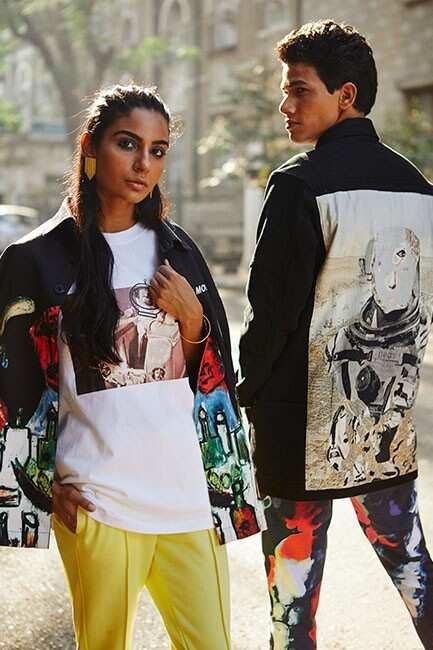
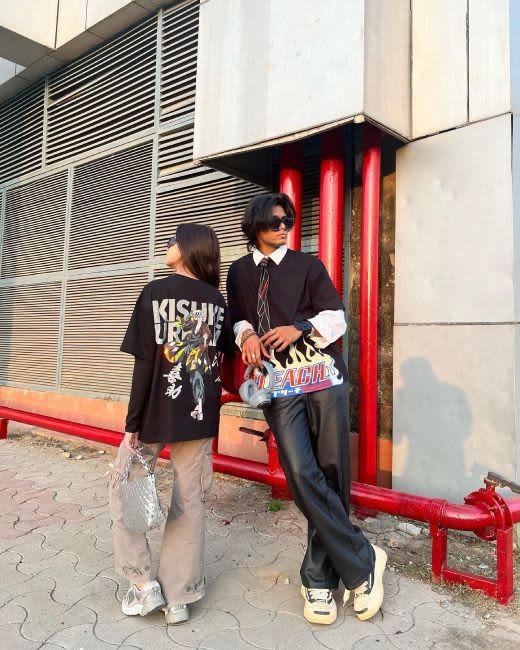
The growth of online thrifting isn’t happening because of a single trend. It is the result of several changes in how young Indians think about fashion.
1. Gen Z Wants Individuality
Scroll through Instagram or any fashion-focused social platform and you’ll notice something interesting: there are thousands of fashion trends happening at the same time.
Oversized clothing.
Vintage graphics.
Y2K.
Streetwear.
Minimalist outfits.
Old-school denim.
Retro sneakers.
The problem is that once a trend becomes extremely popular, everyone starts buying similar products.
Thrifting offers an alternative.
Instead of purchasing the newest version of a trend, Gen Z can discover older pieces that can be styled in a completely different way.
A vintage shirt can become a modern streetwear outfit.
An oversized jacket can become part of a casual college look.
Old denim can become part of a Y2K-inspired outfit.
The clothing doesn’t have to dictate the style—the person wearing it can.
2. Affordable Fashion Matters
Let’s be realistic: young shoppers have budgets.
Students may depend on pocket money. First-job professionals may still be learning how to manage rent, transport, food, subscriptions and savings.
Fashion has to fit into that reality.
One of the major attractions of second-hand clothing is its potential affordability.
Research by the World Resources Institute on secondhand clothing in India found that respondents were motivated by lower prices and reduced environmental impact. The research also found that secondhand buyers were more likely to be younger, particularly people under 35.
That combination is powerful.
Gen Z doesn’t necessarily have to choose between looking good and being budget-conscious.
A carefully selected thrift purchase can offer both.
The Sustainability Connection
Thrifting also connects with the larger conversation around sustainable fashion.
India’s Ministry of Textiles estimates annual textile waste at around 7.073 million tonnes. The government’s 2026 report also notes very high recovery rates for pre-consumer textile waste, highlighting the country’s existing reuse and recycling ecosystem.
But sustainability shouldn’t be reduced to simply saying:
“Second-hand is always sustainable.”
The real benefit depends on how people shop.
If someone purchases a pre-owned jacket they genuinely need and wears it for years, that’s very different from buying ten cheap pieces simply because they are inexpensive.
The better approach is:
Buy less. Choose carefully. Wear more.
Thrifting can support that mindset by giving existing clothing another opportunity to be used.
The World Resources Institute has also highlighted clothing reuse and resale as important parts of moving the fashion system toward greater circularity.
Why Online Thrifting Works So Well in India
India’s digital growth has made niche fashion categories easier to discover.
According to DataReportal, India had 806 million internet users at the beginning of 2025, and the country had 491 million social-media user identities at that time.
That matters because fashion discovery increasingly happens online.
A Gen Z shopper can:
- Discover an outfit online.
- Search for similar clothing.
- Find a thrift store.
- Compare prices.
- Check product photographs.
- Read reviews.
- Place an order.
- Style the piece in their own way.
The entire process can happen from a smartphone.
This is particularly useful for people who don’t live near major fashion markets or vintage stores.
Online platforms can make unusual fashion accessible beyond a single city.
Online Thrift Store vs Traditional Fashion Store
| Traditional Fashion Store | Online Thrift Store |
|---|---|
| Mostly new clothing | Mostly pre-owned/pre-loved clothing |
| Many identical pieces | Often limited or one-of-one pieces |
| Seasonal collections | Vintage and mixed collections |
| Standardized sizing | Measurements can vary |
| Mass-produced styles | Unique and unusual styles |
| Predictable inventory | Inventory changes frequently |
| New-product experience | Discovery-focused experience |
Neither model is automatically better for every shopper.
The real advantage of thrifting is choice.
You can decide whether a particular second-hand piece fits your style, budget, and needs.
How Gen Z Can Build a Thrift Wardrobe
Building a thrift wardrobe doesn’t mean replacing your entire closet.
Start small.
Start With One Statement Piece
Look for something that can completely change a basic outfit.
For example:
- Oversized jacket
- Vintage shirt
- Graphic T-shirt
- Unique denim
- Retro bag
You can then combine it with clothes you already own.
Focus on Versatility
A good thrift purchase should ideally work with multiple outfits.
A neutral oversized shirt might work with:
- Jeans
- Cargo pants
- Shorts
- Layered outfits
- Sneakers
The more combinations you can create, the more value you get from the piece.
Don’t Chase Every Trend
Trends disappear.
Personal style lasts longer.
Instead of buying something simply because it is viral, ask:
“Will I still want to wear this six months from now?”
That one question can make you a much smarter shopper.
What Should You Check Before Buying Thrifted Clothing?
Online thrifting can be exciting, but you should still shop carefully.
1. Check the Measurements
Never depend only on the label.
A vintage “L” may not fit like a modern “L”.
Look for measurements such as:
- Chest
- Shoulder
- Length
- Waist
- Sleeve
- Inseam
2. Look Carefully at Photos
Zoom into the product photographs.
Check:
- Collar
- Sleeves
- Seams
- Prints
- Zippers
- Buttons
- Fabric
- Visible marks
3. Understand the Condition
A trustworthy seller should explain the condition of the product.
Look for descriptions such as:
- Like new
- Excellent condition
- Gently used
- Good condition
- Vintage wear
Some vintage clothing may naturally show signs of age. That doesn’t automatically mean the product is poor quality.
4. Check the Return Policy
Before purchasing, understand whether the store offers returns or exchanges.
This is especially important because every thrift item can have different measurements and conditions.
Hygiene and Trust: The Biggest Online Thrift Challenge
One of the biggest barriers to secondhand clothing adoption is trust.
The World Resources Institute’s research on secondhand shopping in India found that hygiene and clothing condition were among the top concerns reported by consumers.
This is understandable.
When you’re buying new clothing, you generally expect a standardized product.
With pre-owned clothing, customers want more information.
They want to know:
Has it been cleaned?
What condition is it actually in?
Are there stains or defects?
Are the photographs accurate?
Are the measurements correct?
That is why transparency matters so much in online thrifting.
A good online thrift experience should make customers feel informed rather than uncertain.
Is Thrifting Really Cheaper?
It can be—but cheaper doesn’t always mean better.
The goal shouldn’t be to buy the largest number of clothes for the smallest amount of money.
The goal should be to get more value from every purchase.
Imagine two shoppers.
Shopper A buys five cheap shirts but wears each one once or twice.
Shopper B buys two unique pieces and wears them every week for a year.
Shopper B may actually get much more value from their wardrobe.
This is why smart thrifting is about cost per wear, not simply the price on the product page.
The Rise of India’s Second-Hand Fashion Market
The Indian secondhand apparel market has significant growth potential.
A 2026 Outlook Money report, citing research by Mobility Foresights, says India’s second-hand apparel market was projected to grow from US$5.20 billion in 2025 to US$17.90 billion by 2031, representing a projected CAGR of 22.8%.
If that projection is realized, second-hand fashion could become a much more visible part of India’s clothing ecosystem.
This doesn’t mean every consumer will suddenly stop buying new clothes.
Instead, people may increasingly combine different approaches:
New + thrifted + vintage + resale + repair + upcycling.
That is where the future becomes interesting.
Thrifting Is More Than Shopping
One of the biggest misunderstandings about thrift fashion is that it’s only about saving money.
For Gen Z, it can also be about identity.
Clothing communicates something.
It can communicate:
- Personality
- Music taste
- Creativity
- Lifestyle
- Community
- Individuality
A rare vintage shirt can feel more meaningful than a mass-produced shirt simply because it feels different.
That’s why thrift fashion often becomes part of someone’s identity rather than just another shopping category.
How DL-91 Can Support the New Generation
For Indian Gen Z, discovering fashion that is affordable, distinctive and easier to access online can be difficult when conventional shopping is dominated by repetitive trends and mass-produced styles.
DL-91 aims to contribute to this changing fashion culture by giving the new generation another way to explore personal style.
The idea is simple: fashion should give young people room to experiment without making every purchase feel expensive or ordinary.
Whether someone is building their first college wardrobe, experimenting with streetwear or simply searching for something different, the growing online thrift culture gives Gen Z more ways to express themselves.
The Future of Online Thrifting in India
The future of online thrifting could extend far beyond simply selling used clothes.
Imagine an ecosystem where people can:
- Buy pre-loved clothing
- Resell clothes they no longer wear
- Repair damaged pieces
- Upcycle old garments
- Discover vintage fashion
- Build digital wardrobes
- Exchange clothes
- Find styling inspiration
- Support small fashion sellers
This would create a more circular relationship with clothing.
Instead of:
Buy → Wear → Forget → Throw away
the cycle could become:
Buy → Wear → Reuse → Resell → Wear Again
India’s government is also putting greater attention on textile recycling and circular-economy initiatives. In 2026, the Ministry of Textiles highlighted the Tex-Eco Initiative, which aims to support technologies and innovation related to textile waste management, recycling, recycled fibres, sustainable packaging and other circular-economy opportunities.
That doesn’t mean thrifting alone will solve textile waste.
But it shows that circularity is becoming a larger part of the conversation around India’s textile future.
10 Smart Thrifting Rules for Indian Gen Z
Before you place your next order, remember these ten rules:
- Check measurements, not just size labels.
- Read the complete product description.
- Inspect photographs carefully.
- Understand the condition of the item.
- Check the return/exchange policy.
- Don’t buy something just because it’s cheap.
- Choose pieces you can style multiple ways.
- Look for quality rather than quantity.
- Think about cost per wear.
- Buy clothes you’ll genuinely use.
These simple habits can make thrift shopping more enjoyable and reduce impulse purchases.
Conclusion: Is Online Thrifting the Future for Indian Gen Z?
The growth of the online thrift store in India reflects a much larger change in the way young people think about fashion.
For Indian Gen Z, fashion isn’t simply about purchasing the newest product.
It is about individuality.
It is about affordability.
It is about discovering something different.
And increasingly, it is about thinking twice before adding another piece of clothing to an already crowded wardrobe.
With India’s massive digital audience, a growing second-hand apparel market and a significant textile-waste challenge, online thrifting has the opportunity to become much more than a niche fashion trend.
The real future may not be a world where everyone buys only second-hand clothing. Instead, it could be a world where buying pre-loved clothing becomes a normal part of fashion—alongside buying new, repairing, reselling, exchanging, and reusing.
For a generation that values creativity and individuality, perhaps the most exciting thing about thrift fashion isn’t finding something cheap—it’s finding something that feels uniquely yours.
So, if your next favourite outfit could already be waiting for a second life, why not give it a chance?
Leave a Reply