

The New Meaning of Fashion, Value and Style
While a few years ago it might have been embarrassing to buy a second-hand shirt, nowadays, that same shirt could be the centerpiece of a college outfit, a Pinterest look, or an Instagram post. Imagine a college student browsing social media late at night, searching for an outfit to wear on the weekend.
New clothes are expensive, repetitive, and boring.
But then they stumble across a vintage jacket, which is a steal at half the price of something new. It has character, it has style, and most importantly – none of their friends are wearing something similar. This seemingly small purchase could be changing that person’s outlook on fashion forever.
This is the second-hand fashion story, and it resonates with a growing number of Indians.
The reasons why people shop second-hand are as diverse as the country itself, but in recent years, shopping second-hand in India is steadily growing as a choice that combines affordability, sustainability, individual expression, online accessibility, and even thrifting nostalgia. India’s second-hand apparel market is projected to grow from around $5.2 billion in 2025 to $17.9 billion by 2031, representing a projected CAGR of 22.8%, according to research cited by Outlook Money.
For India’s younger consumers – particularly Gen Z – shopping second-hand is becoming a new world of discovery.
From Necessity to a Fashion Statement
How the attitude towards second-hand clothing changed
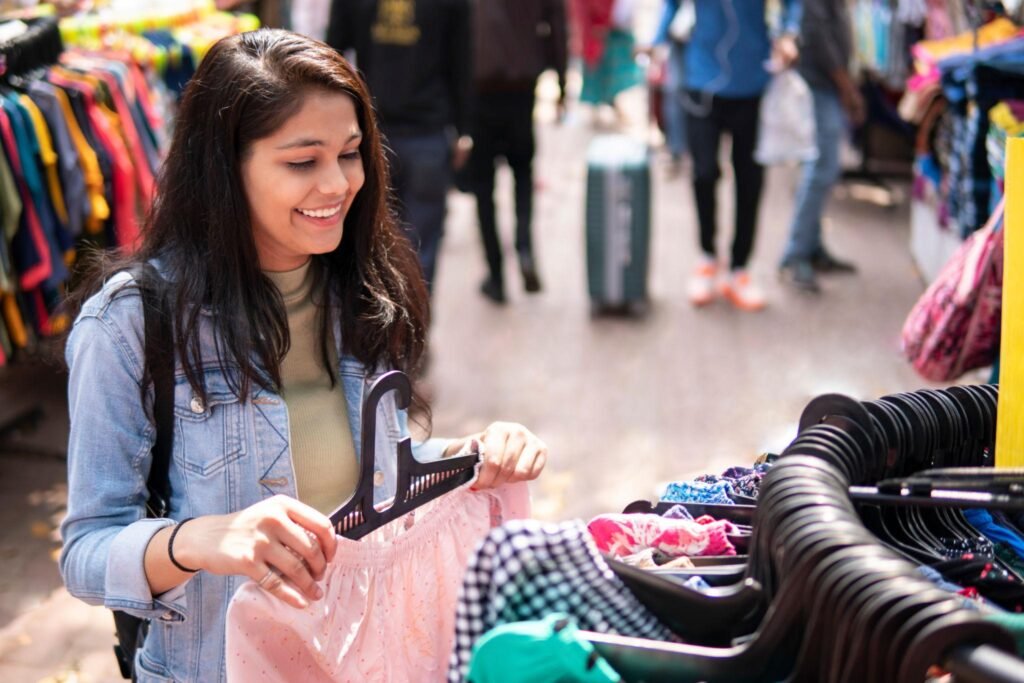
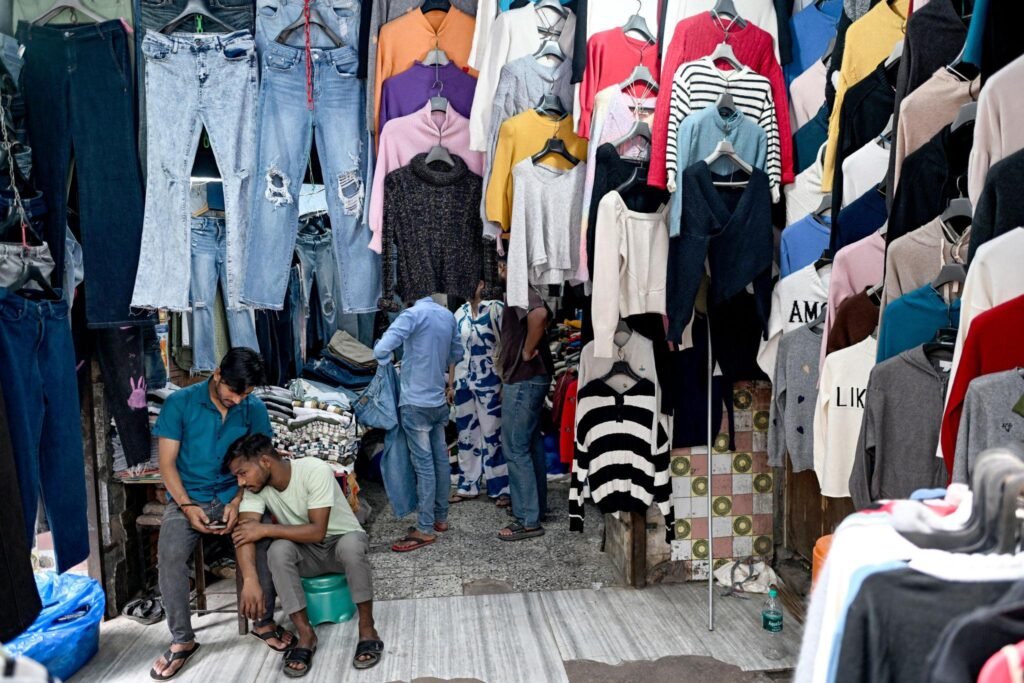
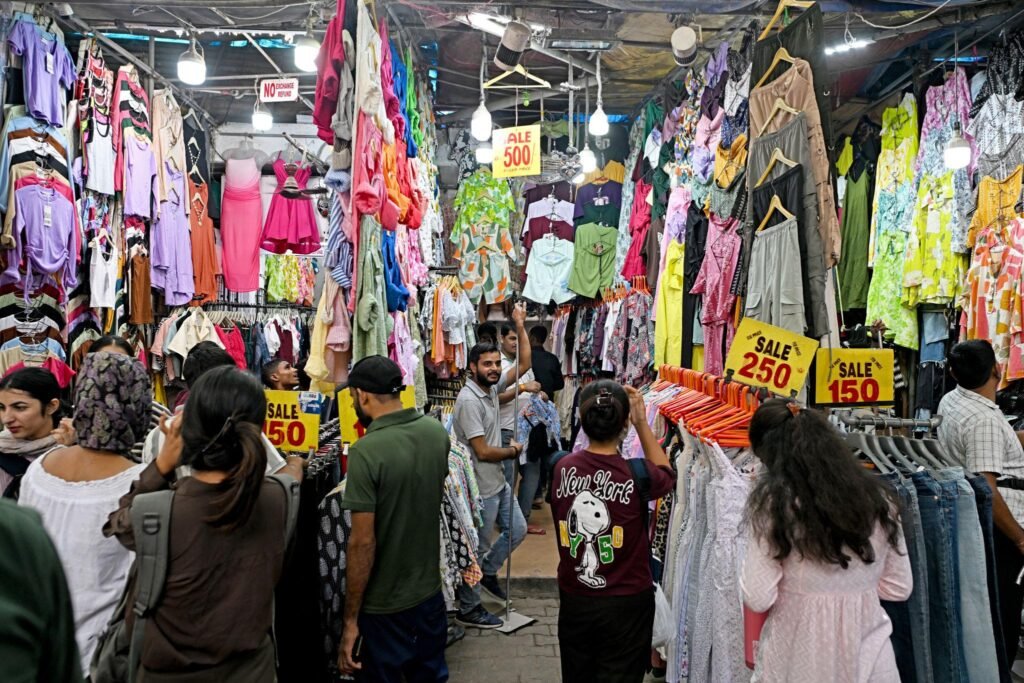
While Indians have always had a cultural affinity for used clothing, the way modern Indians approach shopping second-hand is different.It is no longer a necessity but rather a conscious decision to shop in a way that others wouldn’t. A 2025 report by The Week cited a shift in India’s thrift culture from being a “reflection of economic constraint” to one influenced by “sustainability, style and social media”.
This shift in attitude is critical to shopping behavior.
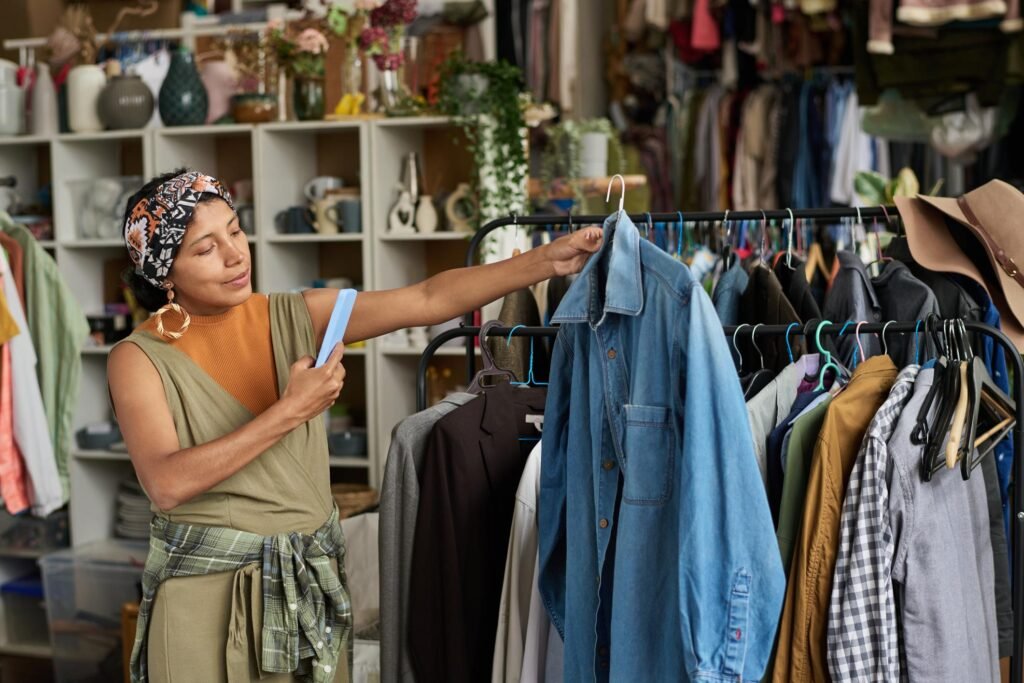
As such, second-hand clothing buyers are not only looking for an affordable jacket or T-shirt- they want something unique, something with a history, something that no one else has. While shopping second-hand, a typical buyer might be looking for something specific to their liking: an oversized hoodie, denim pants with a unique pattern, a vintage sports jacket, or even a streetwear piece. Second-hand clothes shopping is no longer just about the clothes – it is about the experience and the individuality. Second-hand doesn’t equal old-fashioned. Modern thrifting has also changed the way people think about and refer to second-hand clothing.
In other words, shopping second-hand is no longer “shopping used”.
The language around thrifting has evolved to include terms such as pre-loved, vintage, resale, and curated fashion, all of which carry a certain cachet of style and exclusivity. This is an extremely important shift, as it creates a space for younger shoppers who care about what they wear but also seek value for their money.
Indian Second-Hand Market is Growing
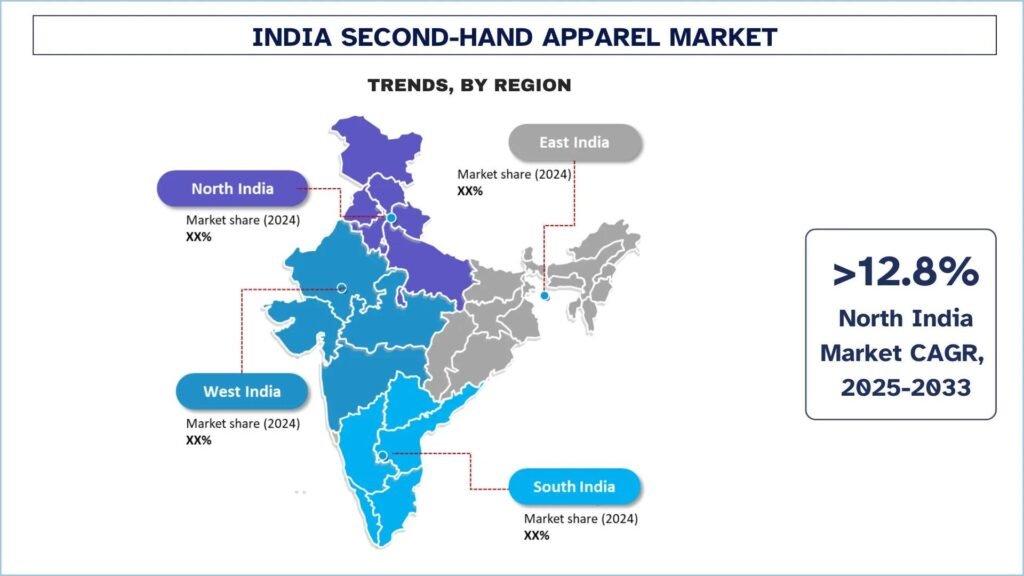
The second-hand clothing market in India is expanding
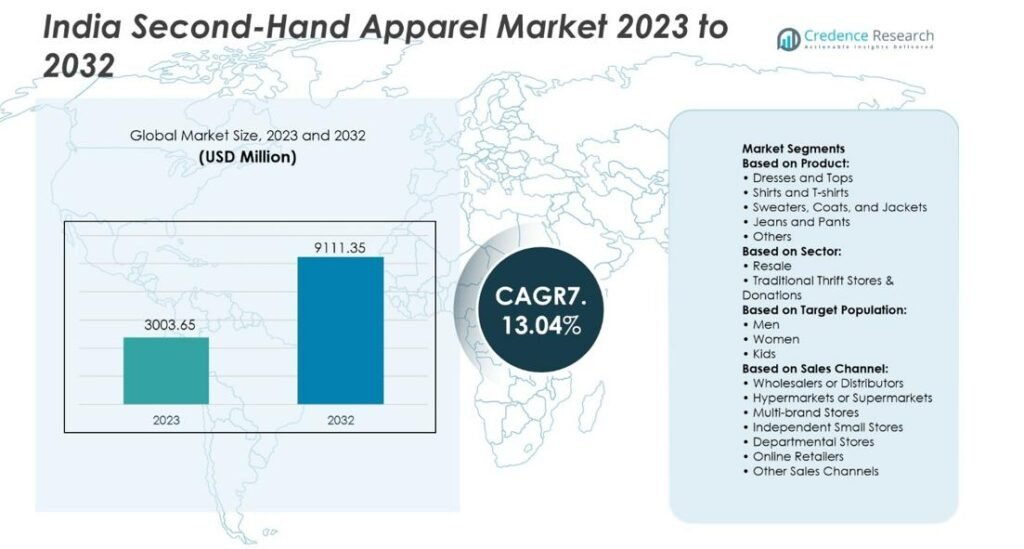
While anecdotal evidence might suggest that shopping second-hand in India is growing, the numbers tell a far more interesting story. Research cited by Outlook Money suggests that India’s second-hand apparel market could grow to $5.20 billion in 2025 to $17.90 billion by 2031, representing a projected CAGR of around 22.8%. Meanwhile, another report by UnivDatos estimates that India’s second-hand clothing market could grow at a CAGR of approximately 13.2% between 2025 and 2033.
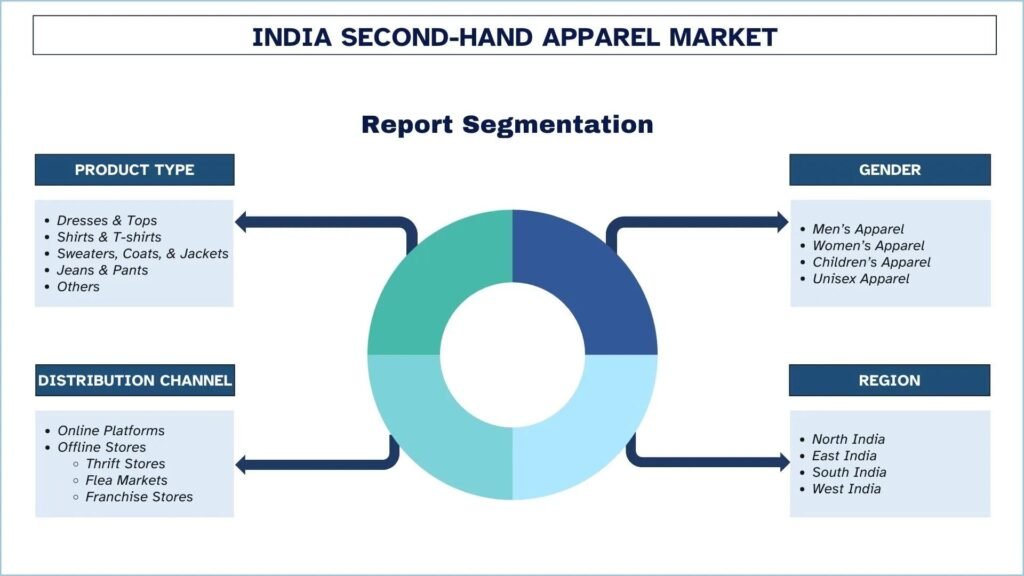
India’s second-hand market growth can be attributed to a combination of factors, including rising fashion consciousness, environmental awareness, smartphone penetration, and the overall increase in value-conscious consumers. While numbers from different research firms can be difficult to compare due to differences in market definitions and estimation methodologies, it is apparent that this is a growing market of significant size.
Why does this increase matter?
As the consumer base for second-hand clothing grows, an entire ecosystem will develop around it, including online stores, Instagram resellers, fashion blogs, physical markets, vintage shops, individual sellers, clothing collectors, upcyclers, and much more. In other words, a comprehensive clothing resale value chain will develop.
Rising Affordability Drives Demand
Styling your own looks on a budget
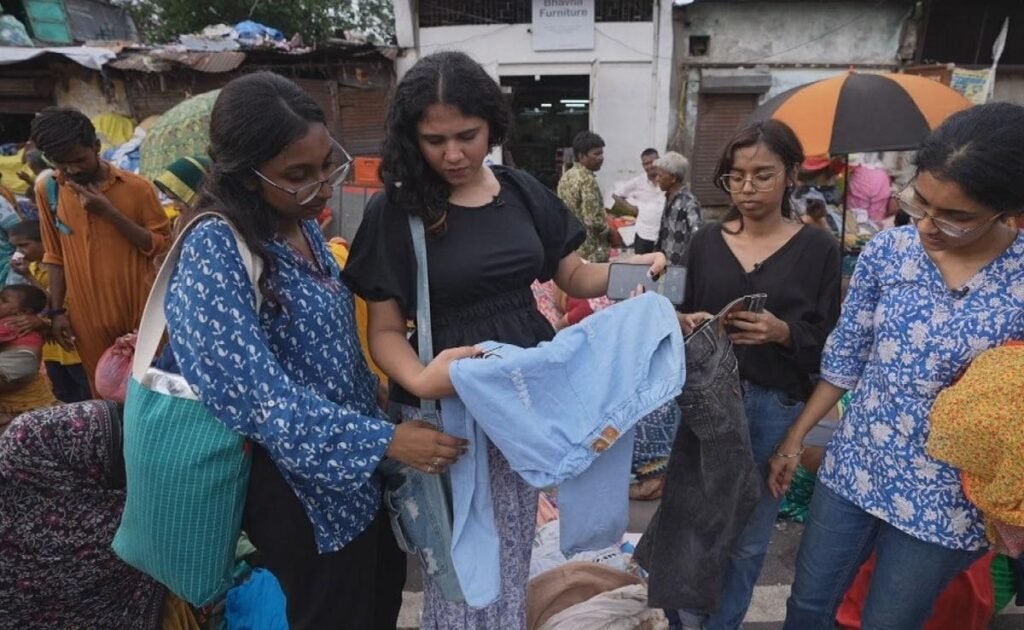
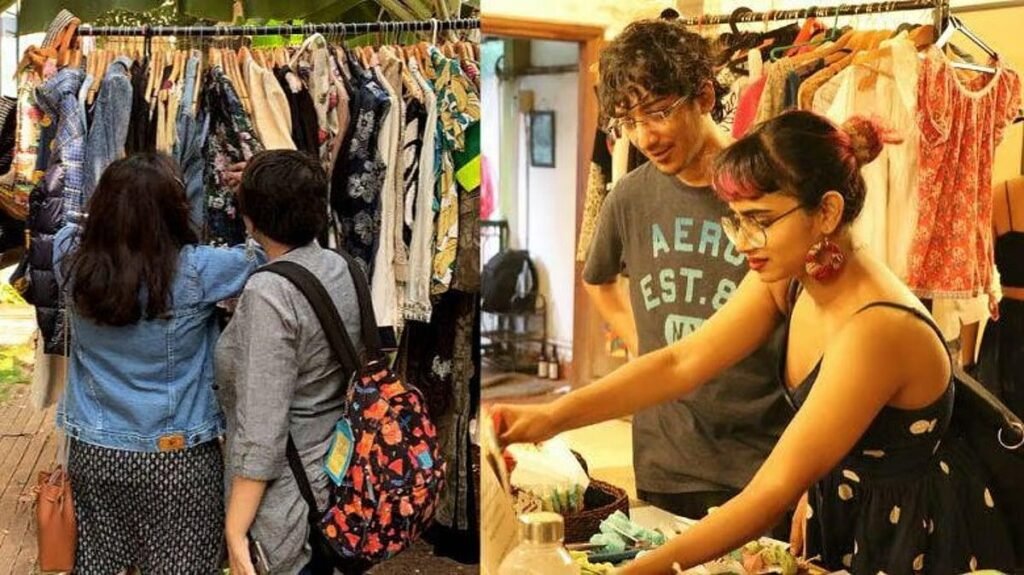
Let’s be completely honest – price is always a consideration, especially for value-conscious Indian shoppers. As such, younger and often budget-conscious buyers, such as students and new professionals, often seek out second-hand clothing to upgrade their wardrobes without breaking the bank.
The same World Resources Institute study mentioned earlier found that low price was one of the key motivators for Indians shopping second-hand, along with environmental concerns. Essentially, shopping second-hand satisfies the rising demand for fashion among India’s youth while simultaneously feeding into their values.
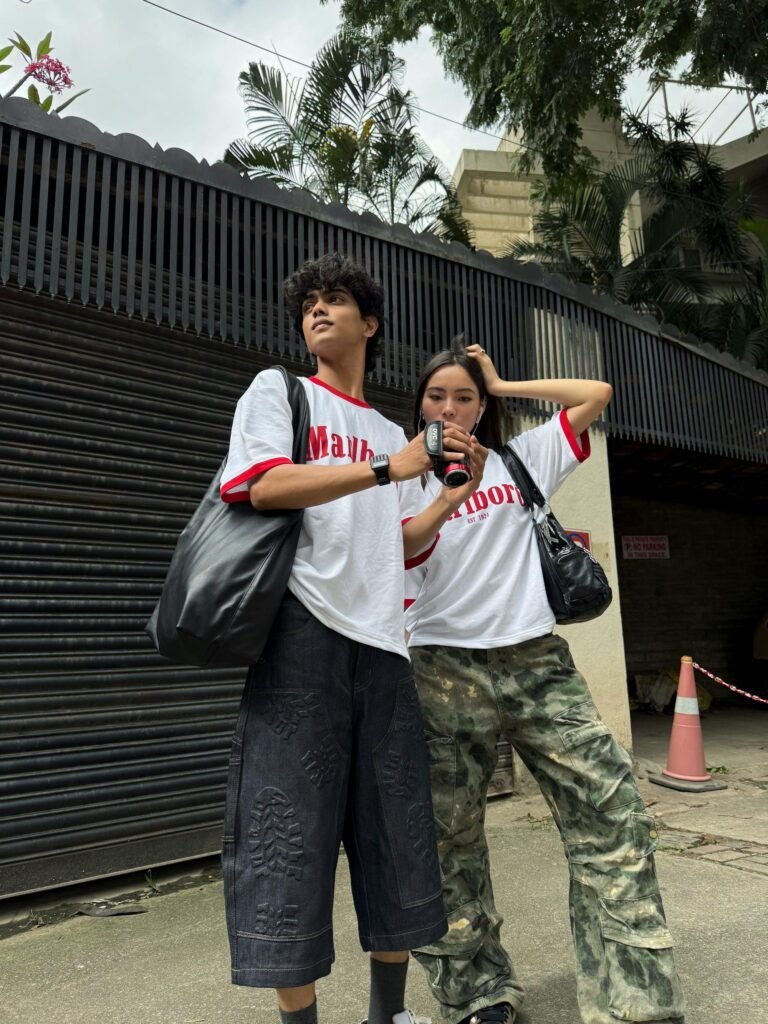
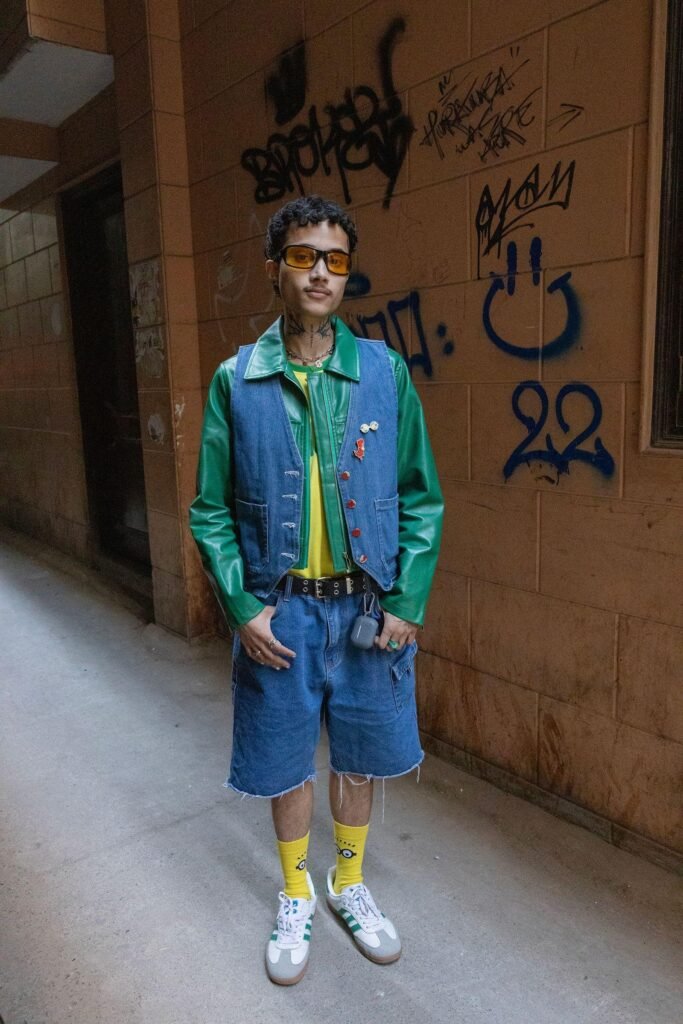
More bang for your buck. To illustrate the importance of pricing, let’s assume a hypothetical ₹3,000 clothing budget. When shopping second-hand, the buyer is likely to get more products for their money than if they only shopped at full-price retailers, depending on the availability of second-hand clothing in their area. This can be a critically important factor for younger buyers, as it creates an environment of experimentation. A buyer who only buys full-price products will be far more conservative with their choices, while a thrifty shopper is likely to be far more experimental in their buying behavior.
Individuality is the New Black
Why Gen Z Seeks Out Second-Hand Clothing
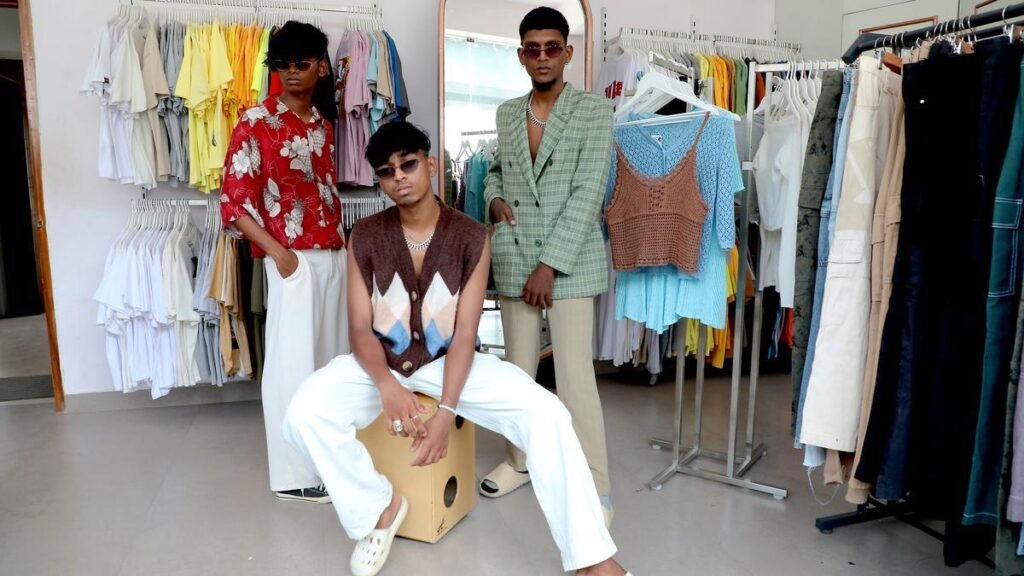
As far as fashion goes, Gen Z doesn’t want to be like everyone else. In fact, a single social media scroll will show you dozens of clothing and aesthetic “themes” that nobody wants to replicate: Y2K, vintage, minimalist, streetwear, old-school sportswear, oversized clothes, and much more. This is a paradox of fashion consumption: while everyone wants to be unique, everyone wants to “be in” with the latest trends, which is extremely difficult to do if everyone else is doing the same.
That is where shopping second-hand comes in handy.
A clothing item bought from a second-hand store could potentially have a unique fit, color combination, or design that is not available in regular stores. A recent Journal of Retailing and Consumer Services study on Gen Z and second-hand clothing noted that ecological consciousness, personal values, and sustainability-related motivations could drive consumers’ buying behaviors.
Another academic study on the subject found that Gen Z shoppers were more likely to purchase second-hand clothing than the “baby boomer” generation in the study’s findings.
Fashion is about self-expression. In many ways, clothing is a form of self-expression, which is an increasingly important part of young consumers’ buying behaviors. For many Gen Z shoppers, the question is no longer “Is this a new product?” but “Does this express who I am?”
This is one of the primary reasons why second-hand clothing shopping is such a good fit for younger buyers.
Social Media Makes Thrifting Go Viral
How the Internet Changed the Face of Second-Hand Clothing Shopping
If you’ve ever shopped second-hand before, there is a good chance that you’ve done it the old-fashioned way: by visiting a physical store and window shopping until you found something that appealed to you. However, younger shoppers tend to prefer the convenience of finding second-hand clothing online, where they can browse their options without having to physically visit a store location. Indian media outlets have featured extensively on the rise of online thrift stores catering to India’s younger and value-conscious shoppers, who seek out unique and affordable clothing.
Essentially, online shopping has made second-hand clothing a visual and interactive experience much like any other retail therapy session.
Why is social media important for second-hand resellers?
An online presence helps resellers showcase their merchandise in a visually compelling manner, which is critical for an industry that relies on uniqueness and discovery.
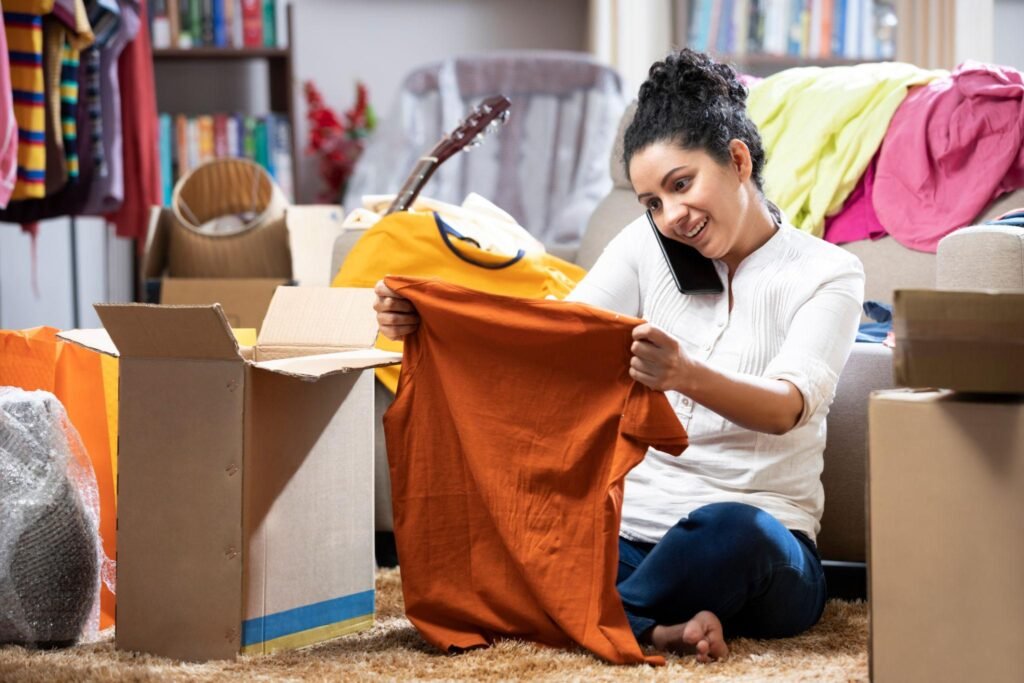
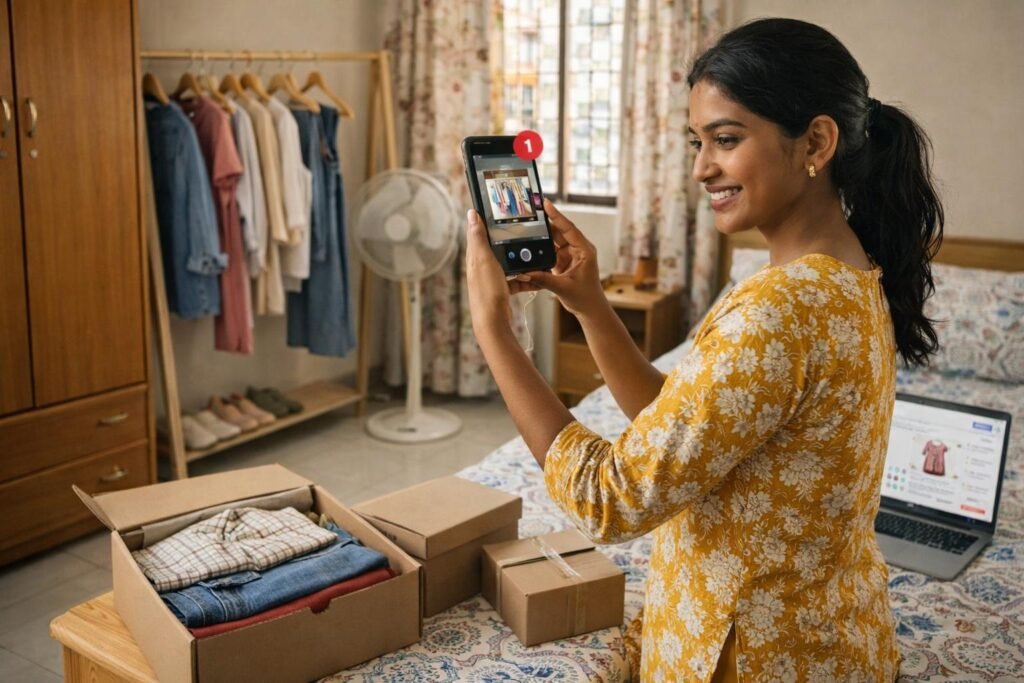
An item for sale can be photographed, measured, styled, filmed, and uploaded with relatively little effort, creating a compelling listing that will help generate views and sales. As such, social media is an extremely powerful tool for online thrift stores and individual resellers.
Discovery
Convenience
Variety
Community
Inspiration
Online thrifting solved many problems at once, making the second-hand clothing resale space more compelling than ever.
Sustainability Adds Another Dimension to Second-Hand Shopping
Creating Longer Value Chains and Building Environmental Awareness
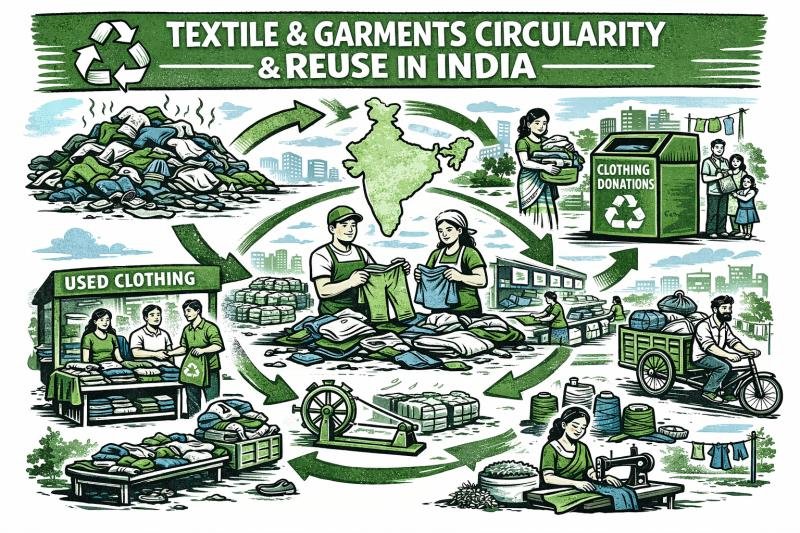
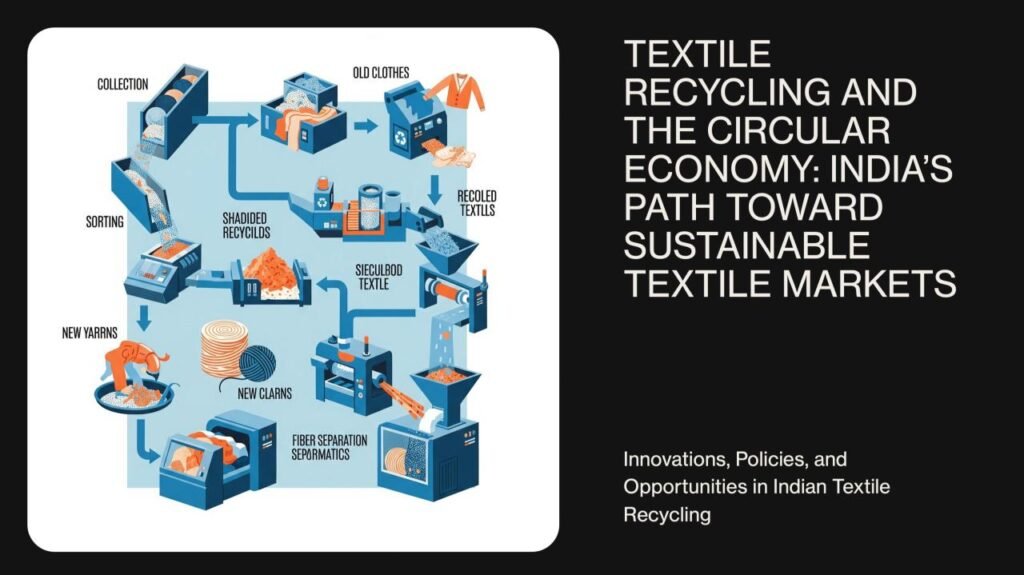
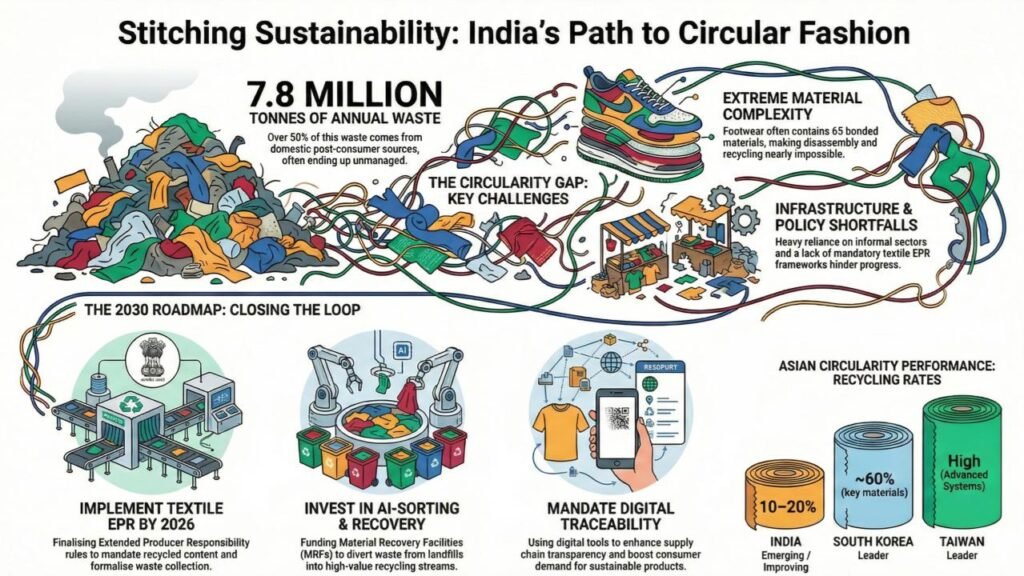
The fashion industry has a severe environmental problem, and India is not an exception. According to India’s Ministry of Textiles, the country produces around 70.73 lakh tonnes of textile waste per year, while the same report mentioned earlier noted that India’s textile recycling market is estimated to be worth $3.5 billion by 2030, with the potential to create nearly one lakh green jobs. Essentially, the more clothing items are reused, resold, or recycled, the better for the environment. The importance of sustainability in second-hand clothing shopping cannot be emphasized enough. While shopping second-hand definitely contributes to the larger sustainability goals, it is also important to acknowledge the potential for abuse.
Simply put, shoppers should not use low prices as an excuse to buy more than they can possibly wear. According to a recent Scientific Reports study, younger second-hand shoppers are also prone to “heavy purchasing” behavior and can potentially have more unworn items than regular full-price shoppers.
As such, the focus should be on conscious consumption rather than “low-price = more items”.
The Thrill of the Hunt – Finding Unique Pieces
The Excitement of Thrifting – Why Indian Shoppers Love It
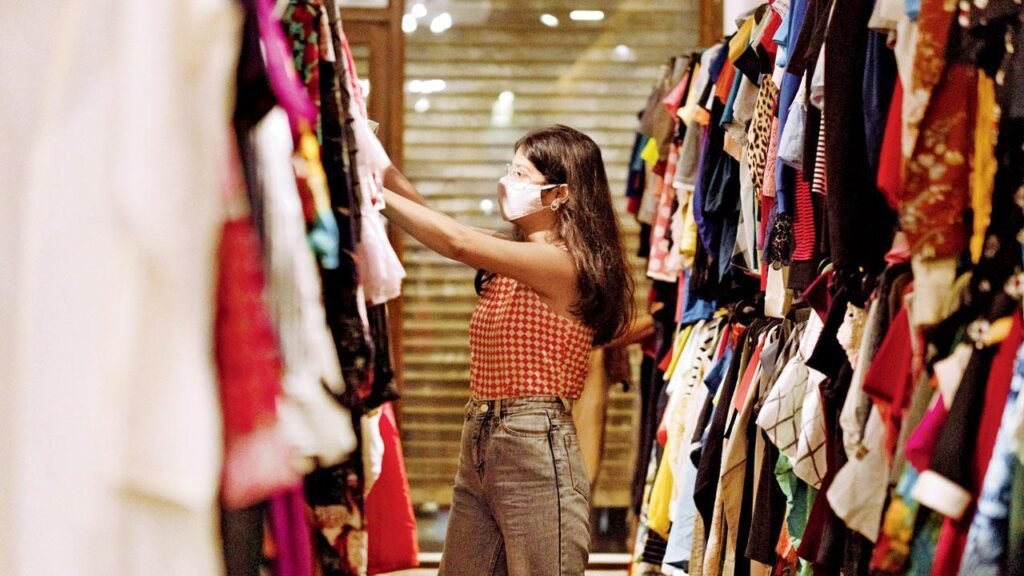
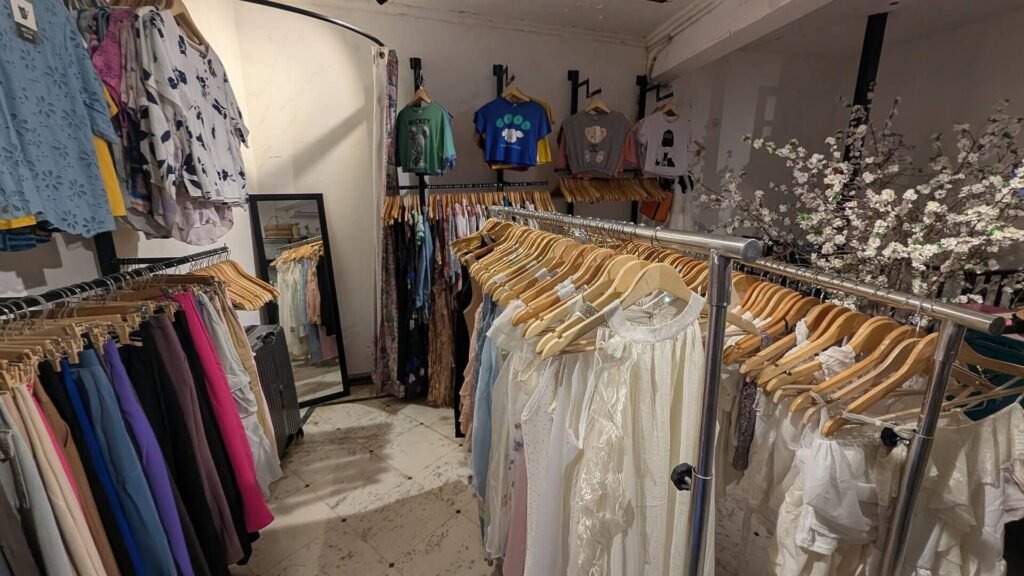
Finding something unique that only you have is an amazing feeling. That is the appeal of shopping second-hand: finding a rare vintage shirt, a pair of old-school sportswear, an oversized jacket, a retro pair of jeans, a colorful graphic tee or even a unique accessory. While branded fashion retailers will sell you a curated collection of clothing items, second-hand clothing racks are essentially treasure chests that can yield amazing prizes. The Telegraph has likened thrift shopping to a Gen Z budget discovery tool, as it allows them to invest in unique clothing items at a lower price point.
In many ways, modern clothing is becoming more about aesthetics than about clothing itself. In other words, one could say that fashion is becoming an extension of one’s personality.
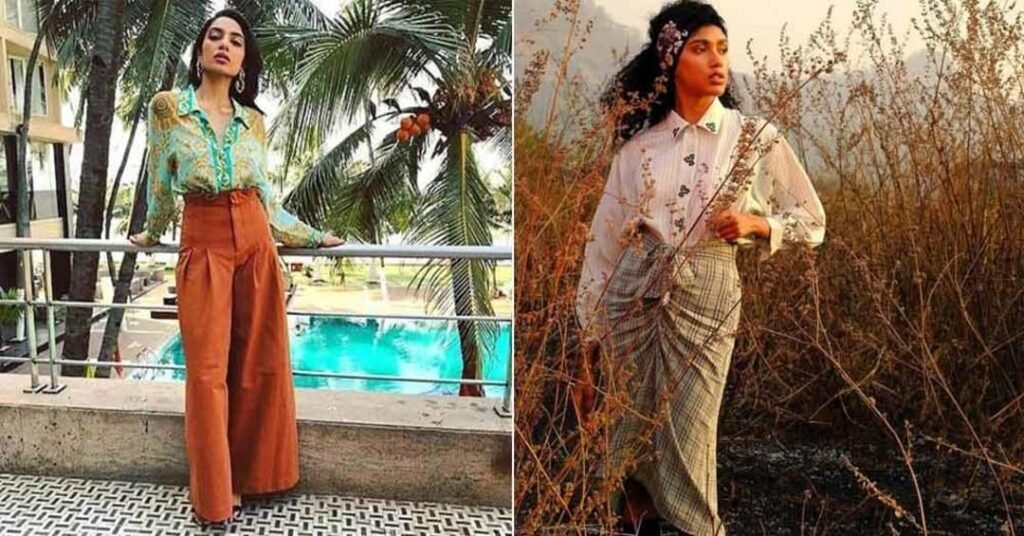
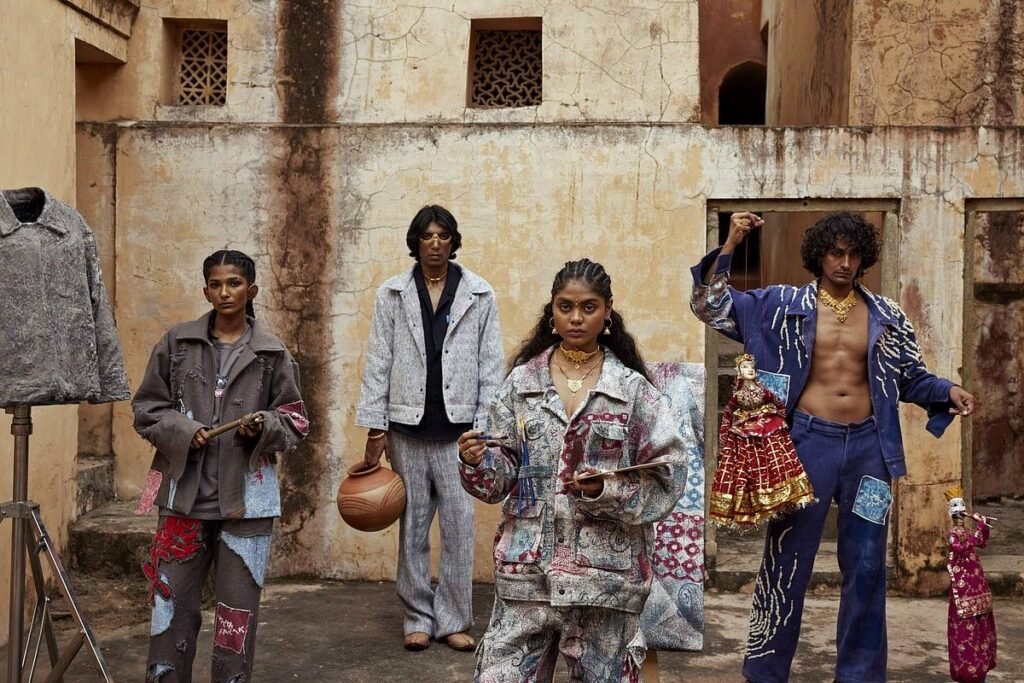
There are multiple clothing aesthetics, including Y2K, streetwear, grunge, minimalist, vintage, old money, athleisure, and retro sportswear, among others, and a thrifty shopper can satisfy their unique clothing desires without breaking the bank.
Online Thrift Stores Create New Entrepreneurs
Opportunities for Young Resellers
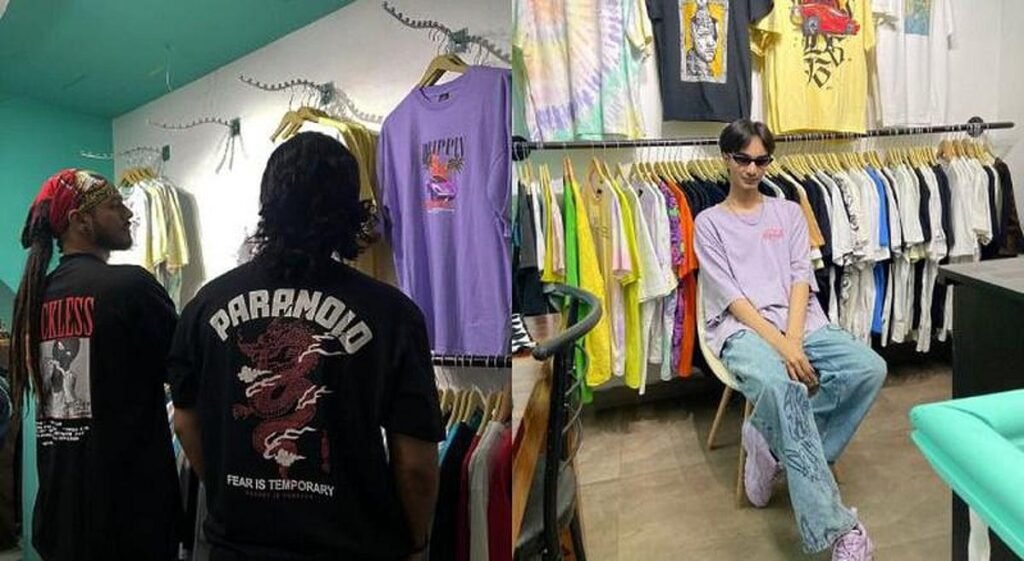
While the appeal of second-hand clothing shopping is evident for consumers, it also creates opportunities for entrepreneurs.A recent report on India’s Gen Z resale economy highlighted that young resellers are leveraging social media, messaging apps and physical markets to invest in, market and sell second-hand clothing, turning their passion into a side hustle or even a full-time business endeavor. Compared to traditional clothing retailing, the barriers to entry are significantly lower for an aspiring young entrepreneur, as a small inventory, good photographs, social media savvy, packaging, delivery, and customer relations know-how can provide a stable income stream.
Challenges for young resellers
It is important to emphasize that while starting a second-hand clothing reselling business can be rewarding, it is by no means an easy endeavor.
Apart from the usual difficulties faced by small business owners, a young reseller will have to invest time and effort into sourcing, inspecting, photographing, and listing inventory for sale. Sustainability, individual expression, unique clothing aesthetics, online social media marketing and consumer trust are all important aspects of a reseller’s work.
Why is this important for India’s youth?
Essentially, second-hand clothing is providing India’s younger shoppers with more opportunities not only to express themselves but also to build a career in a space that they genuinely enjoy.
Lack of Trust Remains a Key Challenge
Issues Facing the Indian Second-Hand Clothing Market
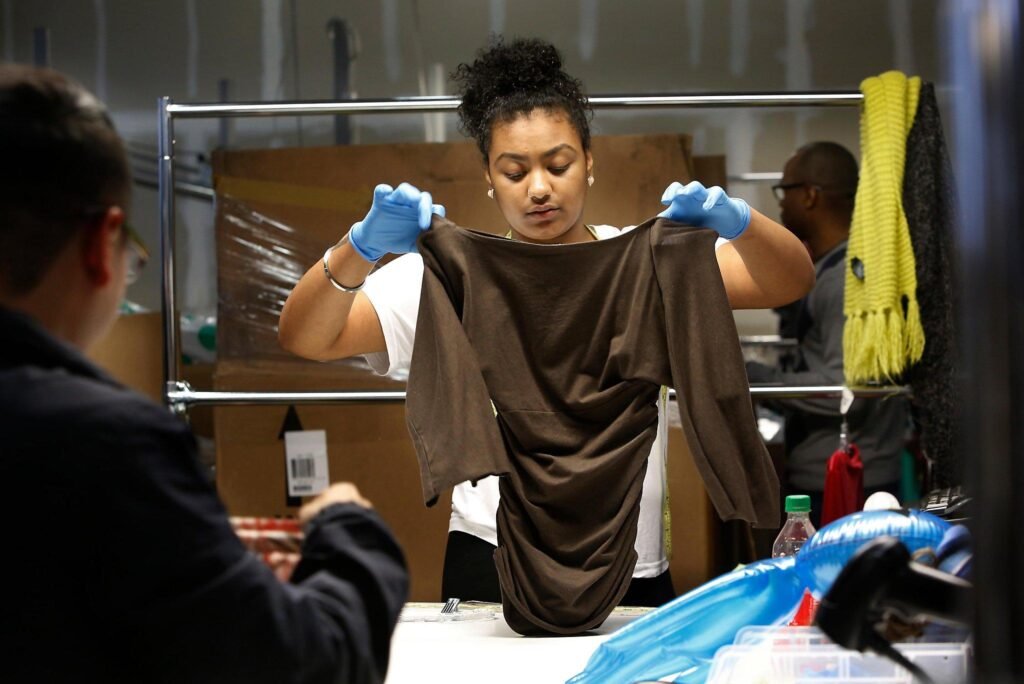
Despite the many opportunities presented by shopping second-hand, there are still significant challenges that the market will have to overcome before it can truly take off. The single most important challenge is consumer trust. When shopping second-hand online, a buyer cannot touch or try on an item before buying it, which means that the entire transaction is based on trust between the buyer and seller. According to the World Resources Institute study mentioned earlier, Indian shoppers identified lack of hygiene and clothing condition as major concerns when shopping second-hand. Essentially, there are too many variables that a buyer cannot control when making a second-hand clothing purchase online.
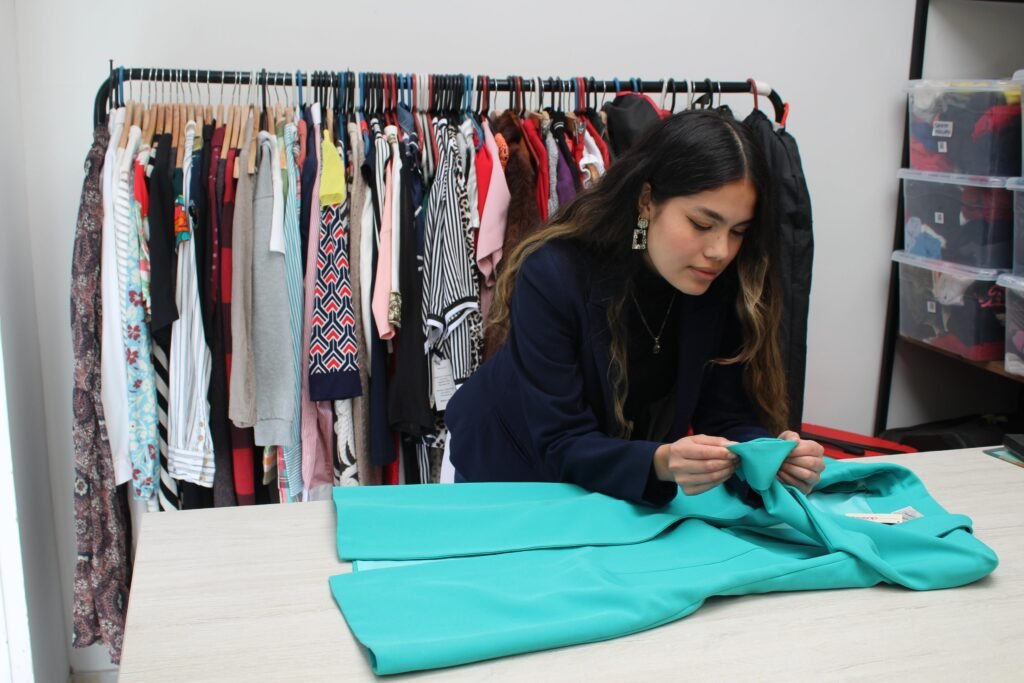
Trust is built through transparency, which means that a professional second-hand clothing seller will have to provide accurate information about an item’s size, measurements, fabric, condition, potential stains or damage, brand authenticity, and more. Creating consumer trust. Once again, an online thrift store is the perfect solution to the problem of consumer trust, as it can provide a curated selection of clothing items, presented in an organized and visually appealing manner. This is the exact purpose of online thrift platforms such as DL-91 – to bridge the gap between second-hand clothing and consumer trust. The ultimate goal of a second-hand clothing business should not be to make a profit out of an old shirt, but rather to build consumer trust by making them comfortable with the idea of shopping second-hand.
Second-Hand Fashion Outlook and Future Prospects in India
What the Future Holds for Shopping Second-Hand in India?
Perhaps the most fascinating question about the future of second-hand clothing shopping in India is not about whether it will become a thing, but rather about how big it will become. As mentioned earlier, India’s second-hand clothing market is poised to grow at a stunning rate in the coming years. The question that many are asking now is about the future state of fashion in India. At this point, we can say with relative confidence that the second-hand clothing movement has legs to stand on: it offers value, variety, sustainability, and individual expression. India’s waste management issues alone make a strong case for clothing reuse, and fashion affordability issues create an economic argument for shopping second-hand. Apart from that, young shoppers want to express themselves, and second-hand clothing provides the means to do it.
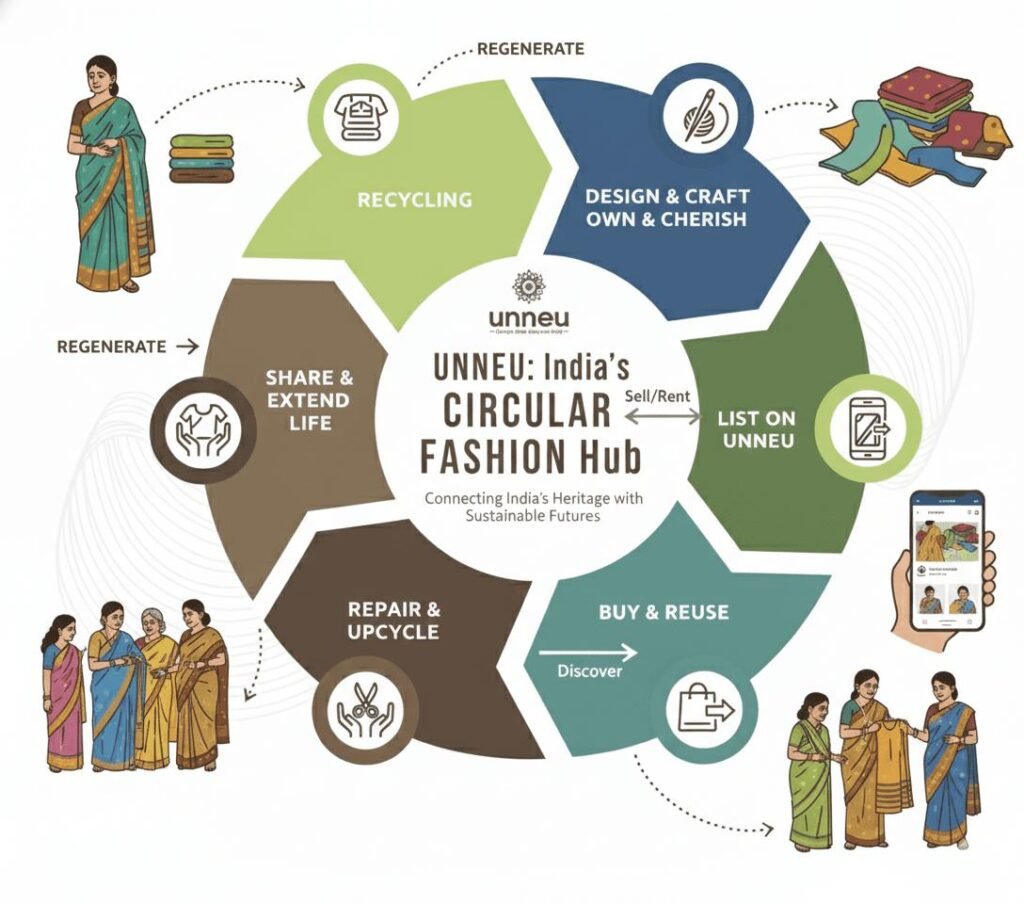
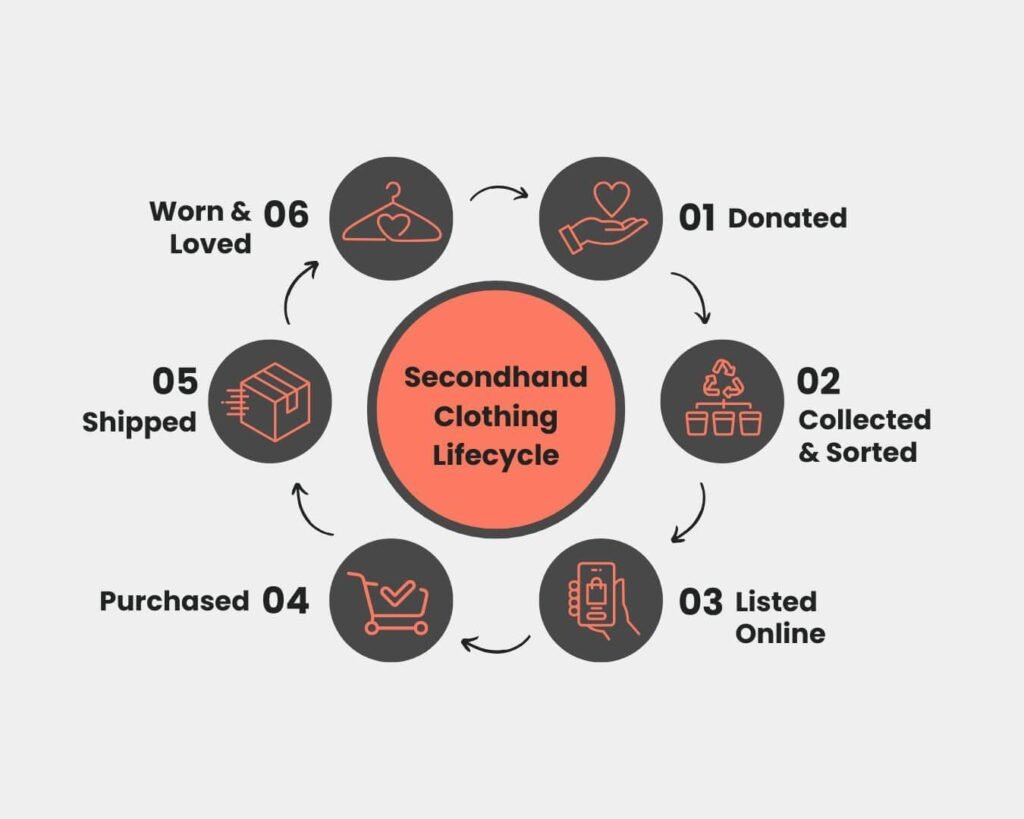
Opeepl Youth Research survey results show that 77% of Gen Z and younger millennials surveyed bought at least some second-hand clothing, with value, unique finds, and sustainability being the primary motivations. This survey covers a broad range of young consumers, not limited to India, which makes it even more interesting. Conscious consumption might be the future of fashion, at least in part. A young shopper’s ideal future wardrobe might very well consist of a mix of new and second-hand clothing items: new pieces, second-hand finds, repaired items, vintage purchases, upcycled clothing and more. It is a sustainable approach to fashion that puts existing items into new uses, and it is perfectly in line with Indian values of frugality and smart consumption. India has a long history of recycling, reusing, and repurposing, and shopping second-hand is simply the latest iteration of this philosophy.
CONCLUSION
The Future of Second-Hand Shopping in India. As you can see, second-hand fashion is on the rise in India for a variety of reasons, but the primary driver behind this development is a simple desire among Indians to look good without spending a fortune. Indian youth have discovered that shopping second-hand is a great way to fulfill their fashion desires while sticking to a budget. More than that, they like the individuality and unique self-expression that shopping second-hand affords them. It’s all part of a much larger movement among Indians, who are seeking to consume in a more conscious manner.
In this regard, shopping second-hand is simply an extension of Indian values. After all, for most Indians, shopping second-hand is the next best thing to shopping anew, with less wastefulness and more self-expression.
Leave a Reply