

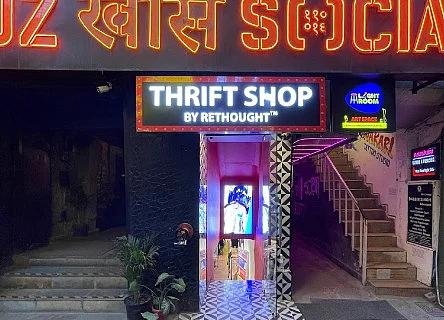
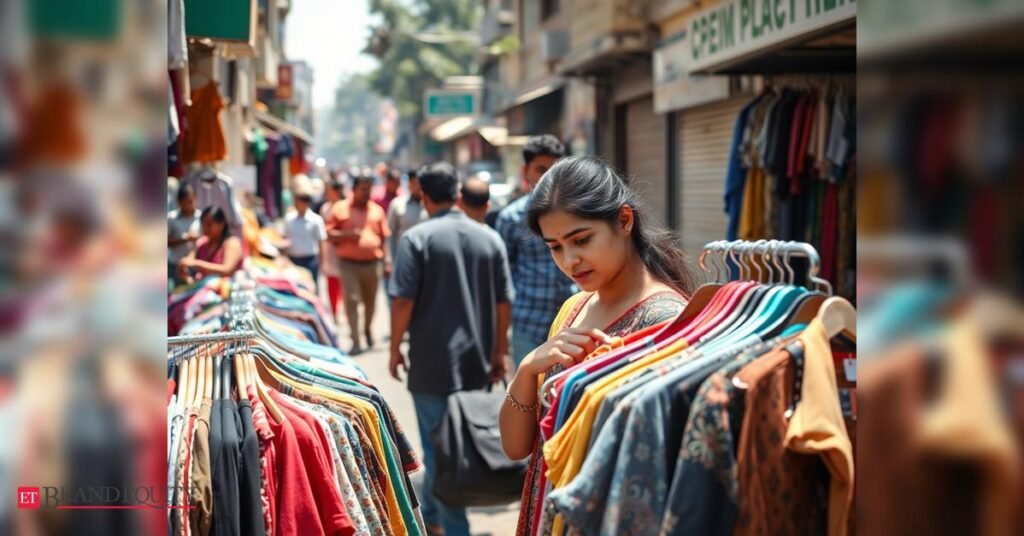
A few years ago, when the idea of “second-hand clothes” was raised, most people in India would at once associate it with street markets, used garments, or clothes purchased because they were cheaper.
The situation is now different.
A young shopper needs only to stay at home, look over a selected range on a phone, find some vintage clothing, compare the prices, and then order a pre-used outfit without having to go to a physical market.
Herein lies the story of the rise of the online thrift store in India.
The idea of thrifting is now associated with fashion, digital culture, sustainability, and the identity of Gen Z.
India’s Fashion Market Is Becoming More Digital
The growth of online thrifting is closely linked to that of the internet in India.
At the start of 2025, DataReportal stated that there were 806 million internet users in India and also noted 491 million social media user identities.
This provides a vast environment for businesses in the field of digital fashion.
Fashion is highly visual.
A photograph is able to convey colour, shape, style, and personality within a matter of seconds.
This is why social media and e-commerce are especially effective for discovering clothing.
From Physical Markets to Digital Thrifting
The thrifty culture in India did not start with the advent of the internet.
For a long time, street markets have offered inexpensive clothing to consumers in India.
However, digital platforms have made accessibility possible.
A person no longer has to know the location of a specific market.
They can search online.
As a result, consumers in cities and towns where there are no large thrift markets nearby have now been able to access this category.
Why Gen Z Is Accelerating the Trend
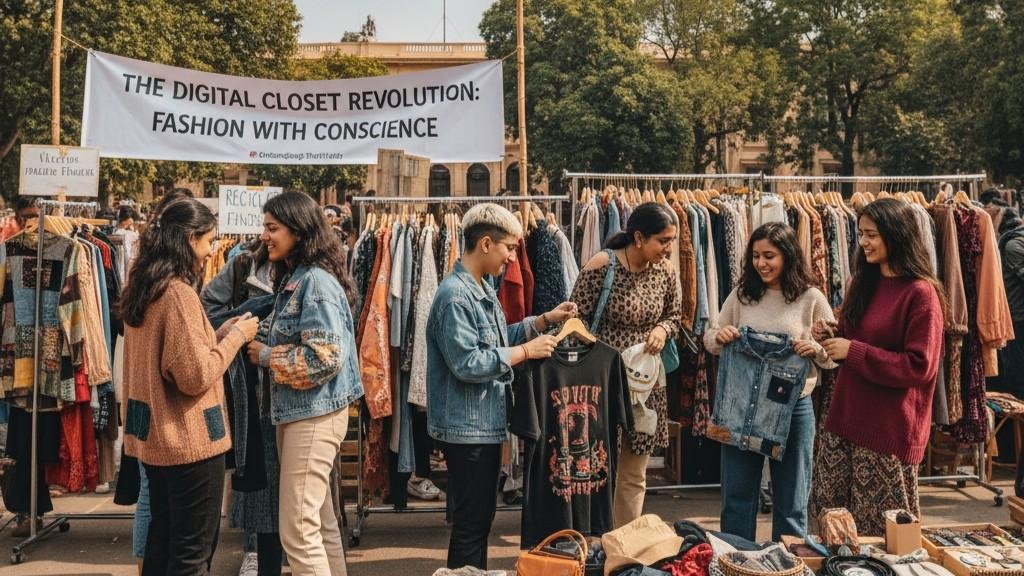
One of the main factors why thrift fashion is gaining new attention is Gen Z.
Young consumers usually see clothes as a way of expressing themselves.
It does not mean that they are interested in wearing precisely the same things as everybody else.
Second-hand clothing can offer unusual designs, vintage items, and unique discoveries.
In 2025, Outlook Money stated that thrift shopping was increasingly turning into a cultural and lifestyle trend among young Indian consumers, especially within the Gen Z group.
The Numbers Behind the Secondhand Market
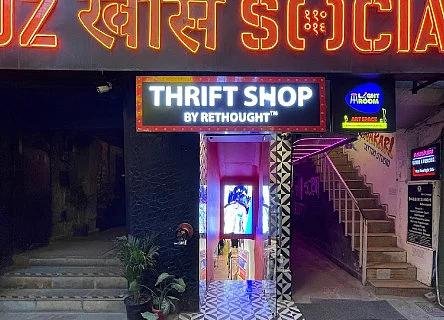
The potential in the market is considerable.
A 2026 Outlook Money report, citing research by Mobility Foresights, stated that India’s used clothing market was expected to grow from US$5.20 billion in 2025 to US$17.90 billion by 2031, which amounts to a 22.8% CAGR.
The projections indicate that secondhand fashion could go a bit further towards becoming mainstream.
Textile Waste Is Another Reason Thrifting Matters
The problem of textile waste in India takes on a new aspect.
The 2026 report by the Ministry of Textiles estimated that there was about 70.73 lakh tonnes of textile waste each year.
The government also states that India’s textile recycling market could amount to US$3.5 billion by 2030.
This shows how important it is economically to keep textiles in use rather than discarding them.
Reusing, repairing, reselling and recycling can all help to create a more circular textile system.
What does circular fashion mean?
Traditional fashion often follows a linear model:
Make → Buy → Wear → Discard
Circular fashion aims at making products and materials useful for a longer period of time.
A simplified version looks like:
Make → Buy → Wear → Reuse → Repair → Resell → Recycle
The idea of thrifting fits within this model since the resale of garments provides them with another chance to be used.
The WRI has spotted secondhand markets and the reuse of clothing as possible opportunities in the field of a circular economy for textiles.
The Role of Social Media
The operation of online second-hand businesses has benefited from visual social platforms.
A seller is able to take a photograph of a product.
It is possible for a creator to give it a style.
It can be shared by a customer.
It can be found by another shopper.
The cycle can repeat.
The report on India produced by DataReportal shows that 60.9 per cent of internet users used at least one social-media platform.
The fact that it is a fashion category which relies on visual discovery makes this particularly important.
Trust Is Essential for Growth
The online second-hand industry still faces a major challenge: gaining people’s trust.
The research carried out by WRI in India identified hygiene and the condition of clothing as the main obstacles to the adoption of secondhand clothes.
It means that sellers should be transparent.
Customers should be able to understand:
- Product condition
- Measurements
- Visible flaws
- Material
- Actual photographs
- Cleaning information where applicable
- Return policies
Greater transparency can lead to consumers feeling more at ease when making secondhand purchases.
Technology Could Transform Thrifting
The next phase in the world of online thrifting might be the introduction of technology.
Imagine searching:
“Big black vintage jacket for under ₹1,500.”
A platform would be able to instantly filter through thousands of listings.
It is possible that AI could be used to recommend styles according to past purchases.
Digital wardrobes have the capability of keeping track of the items that users already own.
Image recognition can help sellers to produce their product listings.
Authentication technology can be used to verify some branded products.
These changes could make shopping for used items easier.
Thrifting Can Create Opportunities for Sellers
The rise of online thrifting is not merely a matter of buyers.
It can also provide opportunities for sellers.
A young person who has some clothes that they are not using could possibly resell some of the items rather than keeping them unused.
Small sellers have the opportunity to create their collections based on particular aesthetics.
Entrepreneurs can create online fashion communities.
It changes clothing from something that is bought once to one that can be passed on from person to person.
How DL-91 Fits Into This New Fashion Generation
The younger generation is looking for fashion that is easier to discover, more personal, and suitable for a variety of budgets.
The DL-91 hopes to take part in this change by providing young Indian shoppers with another opportunity to explore fashion and find styles that suit their own individual identity.
The great opportunity involves nothing more than selling clothing.
This is causing young consumers to consider fashion in a different way when they are discovering it and making their choices.
What might the Indian thrift industry be like in 2030?
By the close of the decade, the experience of buying second-hand fashion could be quite different.
Consumers may expect:
- Better authentication
- Faster delivery
- Better search
- Digital wardrobe management
- Easier resale
- Clothing repair services
- Upcycling
- Personalized recommendations
- Better product grading
The 2026 Tex-Eco Initiative launched by the government also shows that there is growing policy focus on textile waste management, recycling, recycled fibres and other circular-economy technologies.
This provides a more extensive environment for circular fashion businesses.
Conclusion
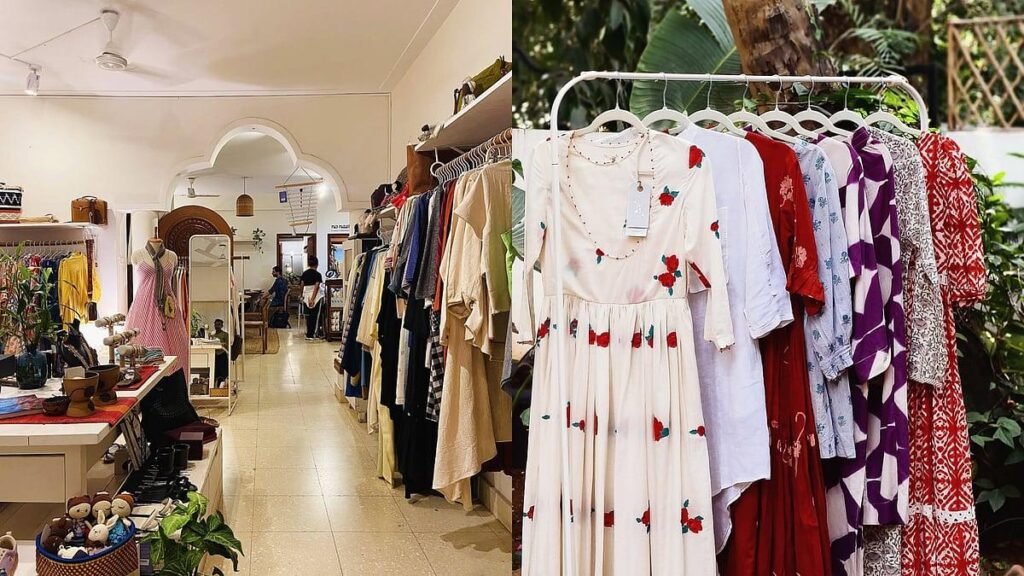
In India, the growth of online second-hand shops is being caused by a number of factors including digital expansion, young people’s interest in individuality, the advantage of low prices, a liking for vintage clothing and increasing awareness of textile waste.
The category still presents some challenges, particularly in the areas of trust, hygiene, sizing and quality.
However, the opportunity is important.
If secondhand fashion keeps on combining the advantages of digital convenience with unique items and affordable prices, it may end up being a common feature of the Indian fashion scene rather than remaining a minor trend.
And if the future of fashion is all about allowing existing clothes to be loved more, might India become one of the world’s most exciting thrift-fashion markets?
Leave a Reply